What Makes Exotic Pets Different from Traditional Pets?
Learn about What Makes Exotic Pets Different from Traditional Pets from a Veterinarian Near You in Lake Ariel, PA
Exotic pets are becoming more popular, showing up in homes that used to be all cats, dogs, and the occasional goldfish. But just because these animals are kept as pets doesn’t mean they’re anything like the traditional ones. At Hamlin Veterinary Clinic, your exotic vet Lake Ariel, PA, we often help owners navigate the differences. Here’s a clear look at what makes exotic pets unique—and why that matters.
What Counts as an Exotic Pet?
An exotic pet is any animal that’s not a common domesticated species. This may include:
• Reptiles (like snakes, lizards, and turtles)
• Amphibians (frogs, salamanders)
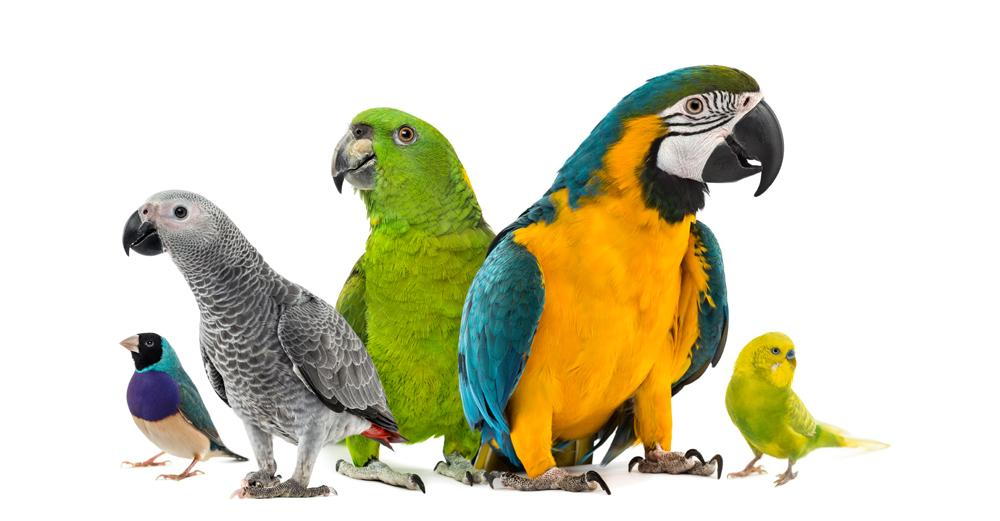
• Birds (parrots, cockatoos, finches)
• Small mammals (sugar gliders, hedgehogs, ferrets)
• Rodents (rats, chinchillas, guinea pigs)
• Insects and arachnids (tarantulas, scorpions)
Some people stretch the term to include rabbits or even koi fish. In general, if it needs specialized care outside the usual pet store aisle, it’s probably exotic.
Habitat and Environmental Needs
Traditional pets like cats and dogs are very adaptable. They live well in most homes without needing much alteration to the environment. Exotic pets are different. Many need:
• Precise temperature and humidity levels
• Specific lighting (especially UVB for reptiles)
• Carefully managed enclosures with hiding spaces or climbing options
• Fresh water setups for amphibians or aquatic reptiles
These animals often come from specific ecosystems. If their environment isn’t right, their health can go downhill fast.
Diet and Nutrition
Feeding a dog or cat is pretty simple with high-quality commercial food. Exotic pets usually require:
• Live insects or small rodents
• Fresh produce with specific vitamin balances
• Calcium or vitamin D supplementation
• Diets that mimic what they’d eat in the wild
The wrong diet can cause serious problems like metabolic bone disease or organ failure. It’s not just a bowl-and-go situation.
Handling and Behavior
Exotic pets don’t always bond or interact like traditional pets. Some don’t like being touched at all. Others, like parrots, can form strong attachments but require constant mental stimulation.
Behavior can also shift under stress. Loud noises, too much handling, or improper lighting can lead to aggression, hiding, or refusal to eat. The good news is an exotic pet veterinarian near you can help you understand the needs of your pet so that you can care for your pet properly.
Learn More about Our Veterinarian Care from an Exotic Pet Vet Near You
Owning an exotic pet is like taking care of a tiny, alien roommate—you need to learn their language, understand their boundaries, and build a living space that meets very specific needs. At Hamlin Veterinary Clinic, your exotic vet Lake Ariel, PA, we’re here to guide you through it with calm, careful support. Call us at (570) 689-9905 for veterinarian care from an exotic pet vet near you.
Learn about What Makes Exotic Pets Different from Traditional Pets from a Veterinarian Near You in Lake Ariel, PA
Exotic pets are becoming more popular, showing up in homes that used to be all cats, dogs, and the occasional goldfish. But just because these animals are kept as pets doesn’t mean they’re anything like the traditional ones. At Hamlin Veterinary Clinic, your exotic vet Lake Ariel, PA, we often help owners navigate the differences. Here’s a clear look at what makes exotic pets unique—and why that matters.
What Counts as an Exotic Pet?
An exotic pet is any animal that’s not a common domesticated species. This may include:
• Reptiles (like snakes, lizards, and turtles)
• Amphibians (frogs, salamanders)
• Birds (parrots, cockatoos, finches)
• Small mammals (sugar gliders, hedgehogs, ferrets)
• Rodents (rats, chinchillas, guinea pigs)
• Insects and arachnids (tarantulas, scorpions)
Some people stretch the term to include rabbits or even koi fish. In general, if it needs specialized care outside the usual pet store aisle, it’s probably exotic.
Habitat and Environmental Needs
Traditional pets like cats and dogs are very adaptable. They live well in most homes without needing much alteration to the environment. Exotic pets are different. Many need:
• Precise temperature and humidity levels
• Specific lighting (especially UVB for reptiles)
• Carefully managed enclosures with hiding spaces or climbing options
• Fresh water setups for amphibians or aquatic reptiles
These animals often come from specific ecosystems. If their environment isn’t right, their health can go downhill fast.
Diet and Nutrition
Feeding a dog or cat is pretty simple with high-quality commercial food. Exotic pets usually require:
• Live insects or small rodents
• Fresh produce with specific vitamin balances
• Calcium or vitamin D supplementation
• Diets that mimic what they’d eat in the wild
The wrong diet can cause serious problems like metabolic bone disease or organ failure. It’s not just a bowl-and-go situation.
Handling and Behavior
Exotic pets don’t always bond or interact like traditional pets. Some don’t like being touched at all. Others, like parrots, can form strong attachments but require constant mental stimulation.
Behavior can also shift under stress. Loud noises, too much handling, or improper lighting can lead to aggression, hiding, or refusal to eat. The good news is an exotic pet veterinarian near you can help you understand the needs of your pet so that you can care for your pet properly.
Learn More about Our Veterinarian Care from an Exotic Pet Vet Near You
Owning an exotic pet is like taking care of a tiny, alien roommate—you need to learn their language, understand their boundaries, and build a living space that meets very specific needs. At Hamlin Veterinary Clinic, your exotic vet Lake Ariel, PA, we’re here to guide you through it with calm, careful support. Call us at (570) 689-9905 for veterinarian care from an exotic pet vet near you.
Hours
Monday, Tuesday, Thursday, Friday
8:00 am - 5:00 pm
Wednesday
Closed
Saturday, Sunday
9:00 am - 5:00 pm
Urgent Care Appointment Only
Location
442 Easton Turnpike,
Lake Ariel, PA 18436
